




Hey there! As a supplier for the VW Sagitar 2024, I've got a lot to share about the reliability of its electrical system. I've been in the automotive parts supply game for quite some time, and I've seen firsthand how crucial a reliable electrical system is for a car.
Let's start by talking about what makes up the electrical system in the VW Sagitar 2024. It's a complex network that includes the battery, alternator, wiring, sensors, and all the electronic control units (ECUs). These components work together to power everything from the engine management system to the entertainment and safety features in the car.
The battery is the heart of the electrical system. It provides the initial power to start the engine and keeps the electrical components running when the engine is off. In the VW Sagitar 2024, the battery is designed to be durable and long - lasting. It has to withstand a lot of wear and tear, especially with all the modern features that require electrical power. For example, the advanced infotainment system, which allows you to connect your phone, stream music, and get real - time traffic updates, puts a significant load on the battery. But Volkswagen has done a great job in choosing a battery that can handle these demands.

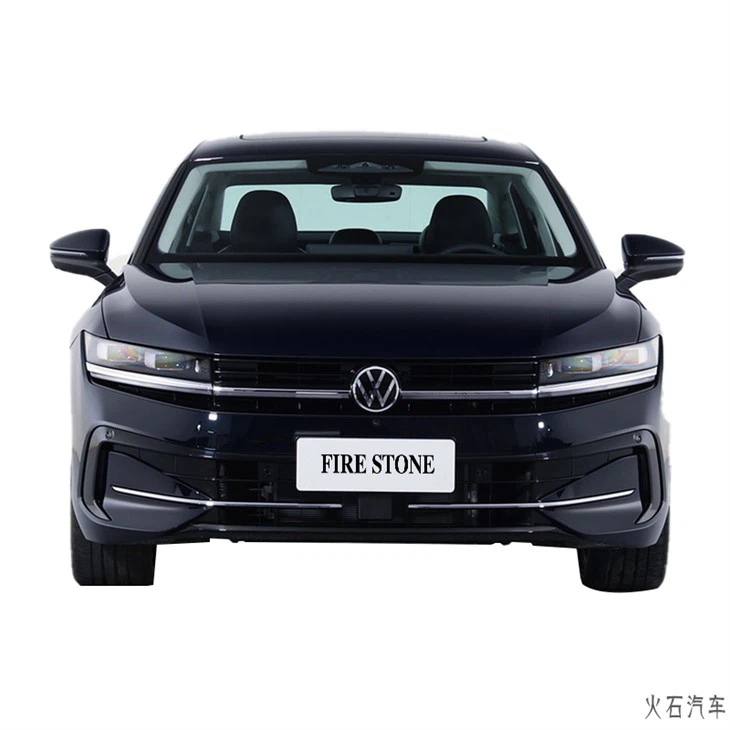
The alternator is another key player. Its main job is to recharge the battery while the engine is running and supply power to the electrical system. In the VW Sagitar 2024, the alternator is engineered to be efficient. It can generate enough power to meet the needs of all the electrical components without overworking itself. This means less wear and a lower chance of failure.
Now, let's talk about the wiring. The wiring in the VW Sagitar 2024 is like the nervous system of the car. It connects all the electrical components together, allowing them to communicate and function properly. Volkswagen uses high - quality wiring materials that are resistant to heat, moisture, and abrasion. This helps prevent short circuits and other electrical problems. For instance, the wiring is protected by insulation that can withstand high temperatures under the hood, where the engine generates a lot of heat.
The sensors in the VW Sagitar 2024 are also an important part of the electrical system. They monitor various aspects of the car, such as the engine temperature, tire pressure, and brake fluid level. These sensors send data to the ECUs, which then make adjustments to ensure the car runs smoothly and safely. The sensors in this model are very accurate and reliable. They're built to last, so you don't have to worry about false readings or sensor failures.
The ECUs are like the brains of the car. They control everything from the engine performance to the climate control system. In the VW Sagitar 2024, the ECUs are constantly updated to improve performance and reliability. They can adapt to different driving conditions and adjust the electrical system accordingly. For example, if you're driving in cold weather, the ECU will adjust the heater settings to keep you warm while also managing the power consumption to avoid draining the battery.
One of the things that really impressed me as a supplier is Volkswagen's quality control process. Before the electrical components are installed in the VW Sagitar 2024, they go through rigorous testing. This includes testing for functionality, durability, and compatibility. Only components that meet Volkswagen's high standards are used in the production of the car. This attention to detail ensures that the electrical system is reliable from the moment the car rolls off the assembly line.
Compared to some other models in the Volkswagen lineup, like the VW Magotan Gasoline sedan and the Tiguan L PRO Gasoline SUV, the VW Sagitar 2024 has a unique electrical system that is tailored to its specific needs. While all these models have reliable electrical systems, the Sagitar 2024 is designed for a more urban and compact driving experience. So, its electrical system is optimized for things like stop - and - go traffic and short trips, where battery usage and power management are crucial.
In terms of real - world reliability, I've heard from many VW Sagitar 2024 owners that they've had very few electrical problems. The car's electrical system seems to hold up well over time, even with regular use. This is a testament to the quality of the components and the engineering behind the design.
Another aspect to consider is the availability of spare parts. As a supplier, I know that having easy access to spare parts is important for maintaining the reliability of the electrical system. Volkswagen has a wide network of suppliers and dealerships, so if there is ever an issue with the electrical system, you can usually get the parts you need quickly. This means less downtime for your car and less hassle for you.
When it comes to safety, the reliable electrical system in the VW Sagitar 2024 plays a big role. The safety features, such as the anti - lock braking system (ABS), electronic stability control (ESC), and airbag system, all rely on the electrical system to function properly. A reliable electrical system ensures that these safety features will work when you need them most.
Overall, I believe that the electrical system in the VW Sagitar 2024 is very reliable. It's a well - designed and well - built system that can handle the demands of modern driving. Whether you're a daily commuter or someone who takes long road trips, you can count on the electrical system in this car to keep you on the road.
If you're in the market for a reliable VW Sagitar 2024 Gasoline sedan or are interested in purchasing electrical components for it, I'd love to talk to you. I can provide you with more information about the products I supply and how they can enhance the performance and reliability of your car. Don't hesitate to reach out for a procurement discussion.
References:
- Volkswagen official technical documentation
- Interviews with VW Sagitar 2024 owners
- Industry reports on automotive electrical systems