




Yo, what's up, everyone! I'm stoked to be here chatting with you about the energy efficiency of new energy vehicles. As a supplier in the new energy vehicle game, I've seen firsthand how these bad boys are changing the automotive landscape. So, let's dive right in and break down what makes new energy vehicles so efficient.
First off, let's talk about what we mean by "new energy vehicles." These are basically cars that run on something other than traditional gasoline or diesel. We're talking electric vehicles (EVs), hybrid electric vehicles (HEVs), and plug - in hybrid electric vehicles (PHEVs). Each type has its own unique way of saving energy and reducing emissions.
Let's start with electric vehicles. These are the real rock - stars of the new energy world. EVs run entirely on electricity, which means they don't have those old - school internal combustion engines that guzzle gas. Instead, they use a big battery pack to power an electric motor. And man, are they efficient!
One of the main reasons EVs are so energy - efficient is the way they convert electrical energy into motion. Internal combustion engines are pretty wasteful. They burn fuel to create heat, and then convert that heat into mechanical energy. A lot of that energy is lost as heat in the process. But electric motors are much better at this conversion. They can convert up to 90% of the electrical energy from the battery into motion. That's a huge difference compared to the 20 - 30% efficiency of a typical gasoline engine.
Take the Changan Qiyuan A07 Pure Electric sedan for example. This sleek ride is designed to maximize energy efficiency. It has a well - optimized electric drivetrain that ensures every bit of electricity from the battery is used effectively. The aerodynamic design also plays a big role. By reducing air resistance, the car can move through the air more easily, which means it uses less energy to maintain speed.
Hybrid electric vehicles are another interesting option. HEVs combine an internal combustion engine with an electric motor and a battery. The key here is that the electric motor can assist the engine during acceleration and other high - demand situations. This means the engine doesn't have to work as hard all the time, which saves fuel.
During normal driving, the electric motor can take over in low - speed or stop - and - go traffic. When the car brakes, the electric motor acts as a generator and converts the kinetic energy of the moving car back into electrical energy. This energy is then stored in the battery for later use. It's like a little energy - recycling system.
The Formula Leopard SUPER 8 is a great example of a hybrid vehicle that takes energy efficiency seriously. It uses a sophisticated hybrid system that seamlessly switches between the engine and the electric motor. This not only improves fuel economy but also reduces emissions.
Plug - in hybrid electric vehicles are a bit like a mix between EVs and HEVs. PHEVs have a larger battery than HEVs, which means they can run on electricity alone for a certain distance. Once the battery runs out, the internal combustion engine kicks in. This gives drivers the best of both worlds. They can drive emissions - free for short trips and still have the range of a traditional car for longer journeys.
Now, let's talk about some of the factors that can affect the energy efficiency of new energy vehicles. One of the biggest factors is driving style. Aggressive driving, with lots of rapid acceleration and hard braking, can really eat into the energy efficiency of any vehicle, but especially new energy ones. Gentle acceleration and smooth braking help to conserve energy.
The temperature also plays a role. In cold weather, the battery performance of EVs can be affected. Batteries don't like the cold, and they may not be able to deliver as much power or hold a charge as well. On the other hand, in hot weather, the air conditioning system can use a significant amount of energy. So, it's important to find a balance and take these factors into account when driving a new energy vehicle.
Another important factor is the weight of the vehicle. Heavier cars need more energy to move. That's why new energy vehicle manufacturers are constantly looking for ways to reduce the weight of their cars. They use lightweight materials like aluminum and carbon fiber to make the body and other components. This helps to improve the overall energy efficiency of the vehicle.
The Lotus ELETRE Pure Electric SUV is a prime example of how weight reduction can improve efficiency. Despite being an SUV, Lotus has used advanced materials and engineering techniques to keep the weight down. This allows the vehicle to be more energy - efficient while still providing the power and performance that SUV buyers expect.
As a new energy vehicle supplier, I'm always looking for ways to improve the energy efficiency of the vehicles we offer. We work closely with manufacturers to develop better battery technologies, more efficient electric motors, and advanced energy management systems.
For example, we're investing in research on solid - state batteries. These batteries have the potential to store more energy in a smaller space and charge faster than traditional lithium - ion batteries. This could significantly improve the range and energy efficiency of new energy vehicles.
We're also exploring new ways to manage the energy flow within the vehicle. Advanced energy management systems can monitor the battery charge, the power demand from the motor, and other factors in real - time. This allows the vehicle to optimize its energy use and make the most of the available power.
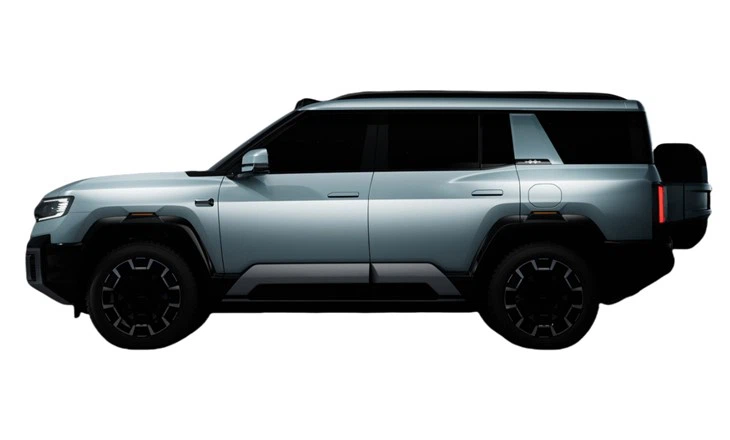

If you're in the market for a new energy vehicle, I can't stress enough how important energy efficiency is. Not only does it save you money on fuel or electricity costs, but it also helps to reduce your carbon footprint. And let's face it, we all want to do our part to protect the environment.
If you're interested in learning more about the new energy vehicles we supply or want to discuss potential purchases, I'd love to hear from you. Whether you're a fleet manager looking to upgrade your vehicles or an individual looking for a more efficient daily driver, we have the expertise and the products to meet your needs. Just reach out, and we can start a conversation about how we can help you find the perfect new energy vehicle for your requirements.
In conclusion, the energy efficiency of new energy vehicles is one of their biggest selling points. Whether it's the high - efficiency electric motors of EVs, the energy - saving hybrid systems of HEVs, or the flexibility of PHEVs, these vehicles are leading the way towards a more sustainable future. And as a supplier, I'm excited to be a part of this revolution.
References
- SAE International. (2023). Electric Vehicle Technology.
- International Energy Agency. (2023). Global EV Outlook.