




As a supplier of Audi fuel vehicles, I've always been fascinated by the intricate relationship between various factors and fuel consumption. One question that often comes up in discussions with customers and automotive enthusiasts alike is how the number of passengers in an Audi fuel vehicle affects fuel consumption. In this blog post, I'll delve into this topic, exploring the scientific principles behind it and providing insights based on real - world data and automotive engineering knowledge.
The Basics of Fuel Consumption in Audi Fuel Vehicles
Before we jump into the impact of passenger numbers, it's important to understand the fundamental concepts of fuel consumption in Audi fuel vehicles. Fuel consumption is primarily determined by the engine's efficiency in converting fuel into mechanical energy to move the vehicle. Modern Audi engines are engineered with advanced technologies such as direct injection, turbocharging, and variable valve timing to optimize this conversion process. However, several external factors can influence how much fuel an engine actually burns during operation.
These factors include vehicle weight, driving style, road conditions, and the use of auxiliary systems like air conditioning. The vehicle weight is particularly relevant when discussing the number of passengers, as each additional passenger adds to the overall mass that the engine has to propel.
How Vehicle Weight Affects Fuel Consumption
Newton's second law of motion, (F = ma) (force equals mass times acceleration), provides a basic understanding of how vehicle weight impacts fuel consumption. When a vehicle accelerates, the engine needs to generate enough force to overcome the inertia of the vehicle's mass. A heavier vehicle requires more force to accelerate at the same rate as a lighter one. Since the engine uses fuel to produce this force, more fuel is burned when accelerating a heavier vehicle.
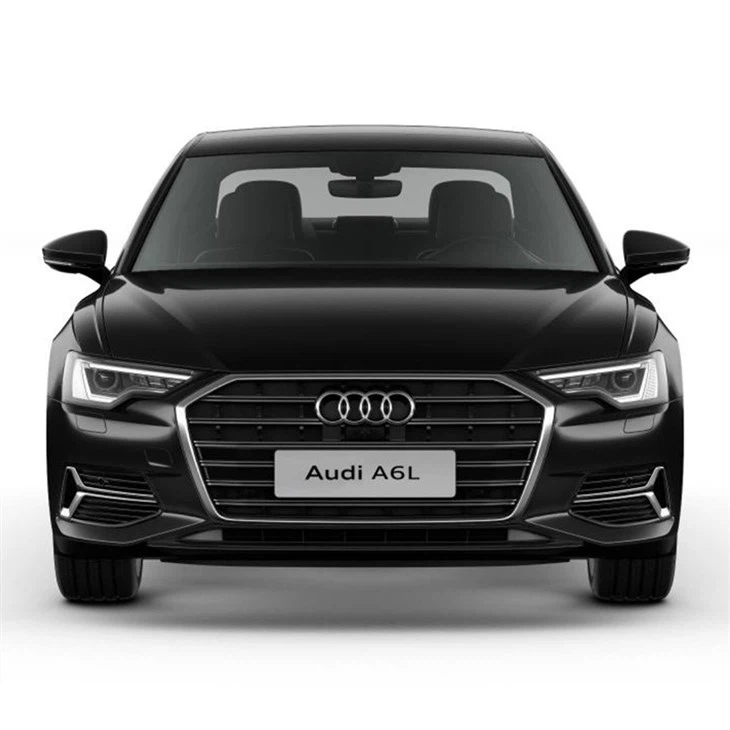
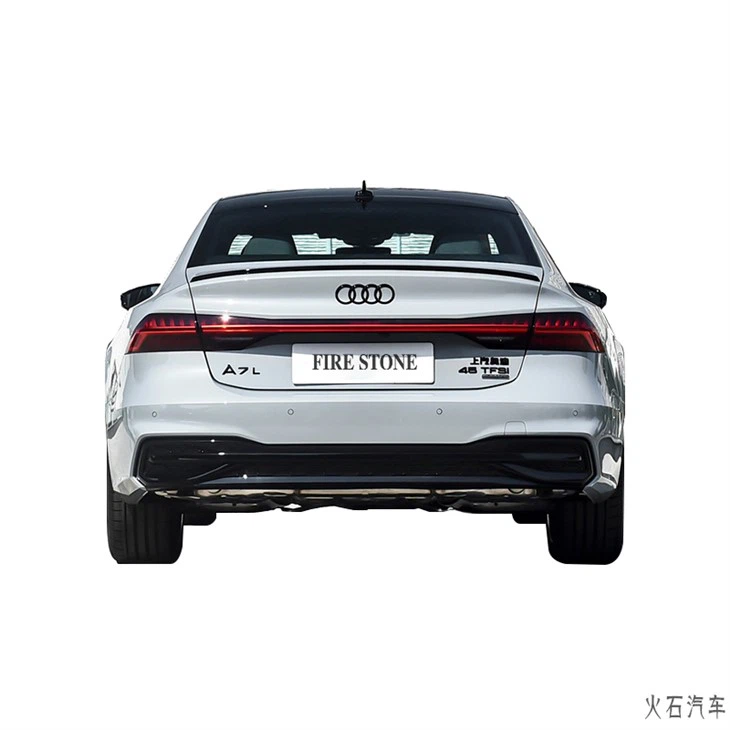
In Audi fuel vehicles, such as the Audi A6L 2024 Gasoline Sedan and the Audi A7L Gasoline sedan, the engine has a specific power output. When more passengers are added, the power - to - weight ratio decreases. This means that the engine has to work harder to maintain the same level of performance, resulting in increased fuel consumption.
Real - World Impact of Passenger Numbers on Fuel Consumption
Numerous studies and real - world tests have shown that the number of passengers can have a noticeable impact on fuel consumption. On average, each additional passenger in a vehicle adds approximately 70 - 100 kilograms of weight. For a small to mid - sized Audi fuel vehicle, this additional weight can increase fuel consumption by 2 - 5% per passenger.
For example, in city driving conditions, where there is frequent acceleration and deceleration, the impact of additional passengers is more pronounced. When starting from a stop, a vehicle with more passengers will require more fuel to reach the desired speed compared to a vehicle with fewer passengers. In highway driving, where the vehicle is mainly cruising at a constant speed, the impact is relatively smaller but still present. The engine still has to work slightly harder to maintain the speed against air resistance and rolling resistance due to the increased weight.
Driving Style and Its Interaction with Passenger Numbers
Driving style also plays a crucial role in how the number of passengers affects fuel consumption. Aggressive driving, characterized by rapid acceleration, hard braking, and high - speed driving, can significantly increase fuel consumption regardless of the number of passengers. However, when combined with a heavier vehicle due to more passengers, the effect is magnified.
A driver who accelerates gently and maintains a steady speed can mitigate some of the additional fuel consumption caused by extra passengers. By using the engine's power more efficiently, they can reduce the overall fuel burn. In contrast, a driver who frequently floors the accelerator pedal in a vehicle with multiple passengers will experience a substantial increase in fuel consumption.
The Role of Vehicle Design in Mitigating the Impact
Audi's engineers have designed their fuel vehicles with various features to optimize fuel efficiency even when carrying multiple passengers. For instance, advanced transmission systems in Audi vehicles are designed to shift gears at the most efficient points, ensuring that the engine operates in its optimal power and fuel - efficiency range.
Additionally, the aerodynamic design of Audi cars helps to reduce air resistance. A sleek body shape allows the vehicle to cut through the air more easily, reducing the amount of energy needed to maintain speed. This aerodynamic advantage helps to offset some of the increased fuel consumption caused by additional passengers.
Fuel - Saving Tips for Vehicles with Multiple Passengers
If you're planning to travel with a full load of passengers in your Audi fuel vehicle, there are several tips you can follow to save fuel. First, make sure the vehicle is properly maintained. Regular oil changes, air filter replacements, and tire pressure checks can all contribute to better fuel efficiency.
Second, plan your route in advance to avoid traffic congestion. Stop - and - go traffic is one of the biggest culprits for high fuel consumption, especially in a heavier vehicle. Use navigation apps to find the most efficient route.
Finally, encourage your passengers to travel light. Every extra kilogram in the vehicle adds to the overall weight and increases fuel consumption. By minimizing unnecessary items in the car, you can reduce the load on the engine.
Conclusion
In conclusion, the number of passengers in an Audi fuel vehicle does have a significant impact on fuel consumption. The additional weight from passengers increases the load on the engine, requiring more fuel to accelerate and maintain speed. However, factors such as driving style, vehicle design, and proper maintenance can influence the extent of this impact.
As a supplier of Audi fuel vehicles, I understand the importance of providing customers with information about fuel efficiency. Whether you're considering the Audi A6L 2024 Gasoline Sedan or the Audi A7L Gasoline sedan, it's essential to be aware of how passenger numbers can affect your fuel costs.
If you're interested in purchasing an Audi fuel vehicle or have any questions about fuel efficiency, I invite you to reach out to us for a detailed discussion. We're here to help you make an informed decision and ensure that you get the most out of your Audi vehicle.
References
- Heywood, J. B. (1988). Internal Combustion Engine Fundamentals. McGraw - Hill.
- SAE International. (2015). SAE Handbook: Volume 1 - Vehicle Design and Development.
- EPA Fuel Economy Data. (2023). Retrieved from the official EPA website.