




As a trusted supplier for the MG MG7 car, I've had the privilege of closely examining how its body structure significantly contributes to safety. In the competitive automotive market, safety is not just a feature; it's a fundamental necessity. The MG MG7's body structure is a masterpiece of engineering, integrating advanced materials and innovative design concepts to offer passengers unparalleled protection.
High - Strength Steel Usage
One of the cornerstones of the MG MG7's safety is the extensive use of high - strength steel in its body construction. High - strength steel provides a strong and rigid framework that can withstand significant impact forces. During a collision, this steel helps to absorb and distribute the energy, reducing the amount of force transferred to the passenger compartment.
The MG MG7 uses high - strength steel in key areas such as the A - pillars, B - pillars, and the floorpan. The A - pillars, located on either side of the windshield, play a crucial role in maintaining the structural integrity of the vehicle during frontal and side impacts. By using high - strength steel, they can resist deformation, ensuring that the windshield remains intact and the cabin space is preserved.
The B - pillars, which separate the front and rear doors, are also reinforced with high - strength steel. In the event of a side impact, these pillars act as a barrier, preventing intrusions into the passenger area. They are designed to absorb and transfer the impact energy to other parts of the vehicle's structure, protecting the occupants from serious injury.
The floorpan, made of high - strength steel, provides a stable base for the vehicle. It helps to distribute the weight evenly and also plays a role in absorbing and dissipating energy during a collision. This not only enhances safety but also improves the overall handling and stability of the MG MG7.
Reinforced Crash Zones
The MG MG7 is equipped with well - designed reinforced crash zones at the front and rear of the vehicle. These crash zones are engineered to deform in a controlled manner during a collision. When the vehicle experiences an impact, the front and rear crash zones crumple, absorbing a large amount of the kinetic energy.
The front crash zone is designed to gradually collapse upon impact, reducing the force transmitted to the passenger compartment. It consists of multiple layers of energy - absorbing materials and structural components that work together to manage the impact. This design helps to protect the engine and other critical components from being pushed into the cabin, minimizing the risk of injury to the occupants.
At the rear, the crash zone serves a similar purpose. It absorbs the energy from a rear - end collision, protecting the passengers and preventing damage to the fuel system and other important parts. The reinforced design of these crash zones is a testament to the MG MG7's commitment to safety.
Structural Integrity and Rigidity
The overall structural integrity and rigidity of the MG MG7's body structure are essential for safety. A rigid body structure ensures that the vehicle maintains its shape during a collision, protecting the passengers from the forces of impact. The MG MG7 uses a combination of advanced welding techniques and structural adhesives to enhance its rigidity.
Welding is a critical process in vehicle manufacturing, and the MG MG7 uses high - quality welding methods to join the different parts of the body together. These welds provide strong connections between the components, ensuring that the structure can withstand high stress levels.
Structural adhesives are also used in addition to welding. They help to distribute the stress more evenly across the joints, reducing the likelihood of cracks and fractures. This combination of welding and adhesives not only improves the structural integrity but also contributes to the vehicle's overall noise, vibration, and harshness (NVH) performance.
Advanced Safety Features Integrated with Body Structure
The MG MG7's body structure is designed to work in harmony with a range of advanced safety features. For example, the airbag system is carefully integrated into the body structure. The airbags are strategically placed in the steering wheel, dashboard, side panels, and curtains to provide comprehensive protection for the occupants.
The body structure is designed to support the deployment of these airbags. The sensors that trigger the airbags are connected to the vehicle's structural components, ensuring that they can accurately detect the severity and direction of a collision. Once a collision is detected, the airbags are deployed within milliseconds, providing a cushioning effect to protect the passengers from hitting hard surfaces inside the vehicle.
Another advanced safety feature is the electronic stability control (ESC) system. The ESC system works in conjunction with the vehicle's body structure to maintain stability during sudden maneuvers or slippery road conditions. It uses sensors to monitor the vehicle's movement and can apply individual brakes or reduce engine power to keep the vehicle on its intended path. The rigid body structure of the MG MG7 provides a stable platform for the ESC system to operate effectively.
Comparison with Other MG Models
When comparing the MG MG7 with other models in the MG lineup, such as the MG ZS Gasoline SUV and the MG5 Gasoline Sedan 2024, we can see that each model has its own unique safety features based on its body structure.
The MG ZS Gasoline SUV, with its taller and more boxy body structure, focuses on providing a high - visibility driving position and a large passenger and cargo space. Its body structure is designed to handle off - road conditions and minor impacts. The high - strength steel is used in critical areas to protect the occupants, and it also has a well - designed crash zone system.
The MG5 Gasoline Sedan 2024, on the other hand, is a more compact sedan. Its body structure is optimized for fuel efficiency and agility. It uses high - strength steel to enhance safety while keeping the weight down. The sedan's lower center of gravity also contributes to its stability during cornering and braking.
The MG MG7, with its sleek and sporty design, combines the best of both worlds. It has a body structure that is not only aesthetically pleasing but also highly functional in terms of safety. It offers a balance between performance and safety, making it an ideal choice for drivers who value both style and protection on the road.
Conclusion
In conclusion, the body structure of the MG MG7 Car is a key factor in its outstanding safety performance. The use of high - strength steel, reinforced crash zones, and advanced manufacturing techniques ensures that the vehicle can withstand a wide range of impacts and protect its occupants.

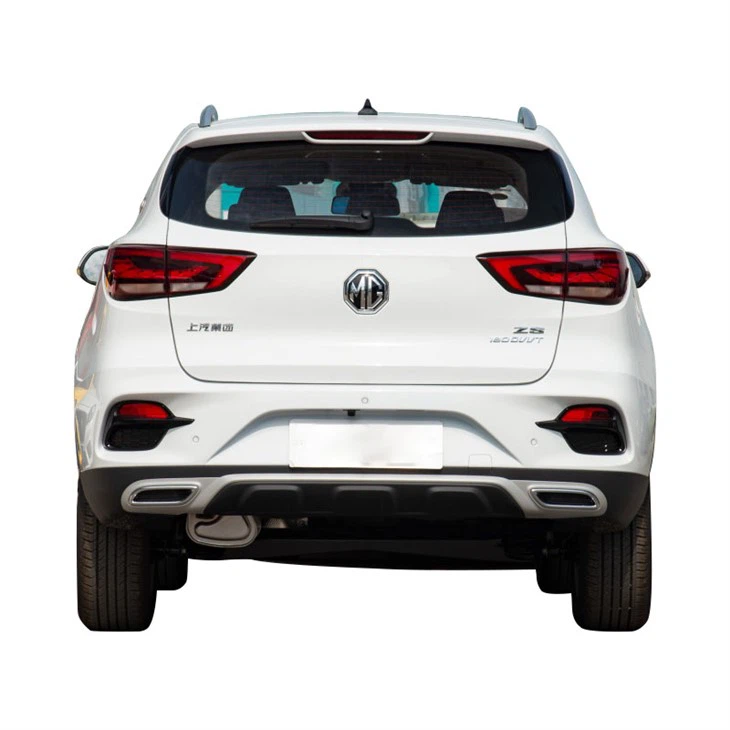
As a supplier for the MG MG7, I am proud to be part of a team that is dedicated to producing vehicles with the highest safety standards. If you are interested in learning more about our products or are considering a purchase, we encourage you to reach out to us for a detailed discussion. Our team of experts is ready to assist you in understanding the safety features of the MG MG7 and how they can benefit you and your passengers.
References
- Automotive Engineering Handbook, Various Authors
- Research Papers on Vehicle Safety by Leading Automotive Institutes
- MG Manufacturer's Technical Documentation