




Hey there! I'm an Audi fuel vehicles supplier, and today I wanna chat about how driving terrain can mess with the fuel consumption of Audi fuel cars. It's super important for us car folks to get this, whether you're a driver trying to save some bucks on gas or a buyer looking for a fuel - efficient ride.
Let's start with flat terrains. You know, those long, straight roads that seem to go on forever. On flat ground, Audi fuel vehicles generally have it pretty easy. The engine doesn't have to work too hard to keep the car moving at a steady speed. For example, when you're cruising on a flat highway at a constant 60 - 70 mph, the engine can operate in its sweet spot. The fuel injection system can deliver just the right amount of fuel to keep the pistons pumping smoothly.

Take the Audi A6L 2024 Gasoline Sedan. It's a beauty on flat roads. Its aerodynamic design helps reduce drag, and the engine management system is optimized for this kind of driving. You can expect to get some really good fuel economy numbers on a flat stretch. The car can maintain a consistent speed without too many sudden accelerations or decelerations, which are fuel - guzzling culprits.
Now, let's move on to hilly terrains. Hilly areas are a whole different ballgame. When you're going uphill, the engine has to work overtime. It needs to generate more power to overcome the force of gravity pulling the car back. This means the engine has to burn more fuel to keep the car moving forward. The steeper the hill, the more fuel it'll consume.
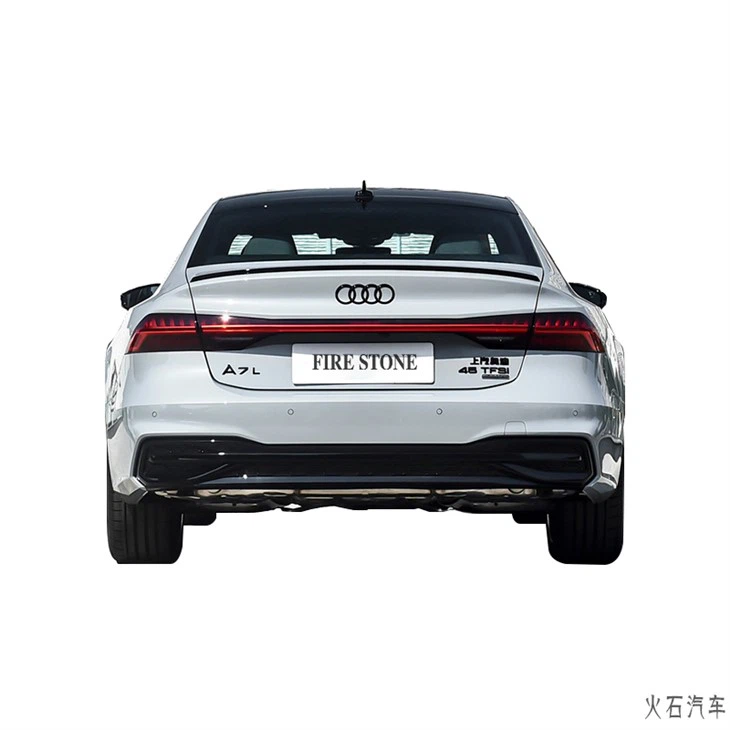
Imagine driving an Audi A7L Gasoline sedan up a steep mountain road. You'll feel the engine struggling a bit, and you'll notice the fuel gauge dropping faster. The transmission also plays a role here. The car might downshift to a lower gear to get more torque, but this also means the engine is spinning at a higher RPM, which burns more fuel.
On the other hand, going downhill can be a bit of a mixed bag. In some cases, you can use the car's momentum to coast without using the engine at all. Modern Audis have features like engine start - stop technology that can shut off the engine when you're coasting downhill, saving fuel. However, if you have to use the brakes a lot to control your speed, that can also waste energy and indirectly affect fuel consumption.
Mountainous terrains are even more extreme than regular hilly areas. The roads are often winding, with sharp turns and sudden elevation changes. This requires a lot of braking and accelerating. Every time you hit the brakes, you're converting kinetic energy into heat, and then when you accelerate again, you're using fuel to regain that lost energy.
In mountainous regions, the air density also changes with altitude. At higher altitudes, the air is thinner. This can affect the engine's performance because the engine needs oxygen to burn fuel. With less oxygen available, the engine might not be able to burn fuel as efficiently, leading to increased fuel consumption.
City driving is another type of terrain that can have a big impact on fuel consumption. In the city, you've got a lot of stop - and - go traffic. You're constantly starting and stopping at traffic lights, and there are a lot of short trips. This is the worst - case scenario for fuel efficiency. Every time you start the engine, it takes a bit of extra fuel to get things going. And the low - speed, stop - and - go nature of city driving means the engine is rarely operating at its optimal efficiency.
Audi cars are equipped with various technologies to try and combat this. For example, the engine start - stop system mentioned earlier can shut off the engine when you're stopped at a red light, saving fuel. But even with these technologies, city driving still takes a toll on fuel economy.
Rural terrains can be a bit more varied. Sometimes, you might have long stretches of open roads with little traffic, which can be similar to flat highway driving. But rural areas can also have unpaved roads. Driving on unpaved roads can increase rolling resistance. The tires have to work harder to move over the rough surface, and this requires more power from the engine, which in turn burns more fuel.
Another factor to consider is the weather conditions that often come with different terrains. In cold weather, the engine takes longer to warm up to its optimal operating temperature. During this warm - up period, the engine burns more fuel. In hot weather, the air conditioning system can put an extra load on the engine, increasing fuel consumption.
So, how can we, as Audi fuel vehicle suppliers, help our customers deal with these different terrains and their impact on fuel consumption? Well, first of all, we can educate them about the features of Audi cars that are designed to improve fuel efficiency. For example, we can explain how the engine start - stop system works and how to use it effectively.
We can also recommend the right model for different types of driving. If someone lives in a hilly area, we might suggest a model with a more powerful engine that can handle the uphill climbs more efficiently. Or, if someone does a lot of city driving, we can highlight the models with the best stop - and - go fuel economy.
As a supplier, we also work closely with Audi to ensure that the cars we offer are up - to - date with the latest fuel - saving technologies. We keep an eye on research and development in the automotive industry to see if there are any new ways to make Audi fuel vehicles more efficient.
If you're in the market for an Audi fuel vehicle and want to know more about how different terrains will affect its fuel consumption, or if you're just looking for some advice on which model is right for your driving conditions, don't hesitate to reach out. We're here to help you make the best choice and get the most out of your Audi. Whether you're cruising on a flat highway or navigating the twists and turns of a mountain road, we've got the perfect Audi for you.
In conclusion, driving terrain has a huge impact on the fuel consumption of Audi fuel vehicles. From flat roads to hilly mountains, each type of terrain presents its own challenges and opportunities for fuel efficiency. By understanding these factors, both drivers and suppliers can take steps to optimize fuel consumption and get the most out of these amazing cars.
References
- Automotive Engineering textbooks on engine performance and fuel consumption
- Audi official documentation on vehicle technologies and fuel efficiency
- Research papers on the impact of driving conditions on automotive fuel economy